How to play Gem Match
Swap two touching gems to line up three or more, then watch the chain reactions cascade for bigger scores.
Gem Match is the swap-and-match puzzle. An eight-by-eight board of gems, and one move: trade places between two neighbouring gems.
The rules
A swap is only legal if it creates a line of three or more matching gems, horizontally or vertically. Those gems burst, everything above falls down to fill the gap, and fresh gems drop in from the top.
If the falling gems happen to form a new line, that clears too, and the chain continues on its own.
Longer lines of four or five score more than plain threes. If the board runs out of legal moves it reshuffles itself, so a game never simply stops.
Cascades are the whole scoring system
A three-match is worth a little. A cascade — a match that causes a match that causes another — is worth a great deal more, because each step in the chain multiplies.
This changes what a good move looks like. The obvious match near the top of the board clears three gems and drops new ones in above them, which is almost nothing. A match at the bottom of the board makes everything above it fall, and everything falling is a chance for an accidental line.
So the single most useful habit is to look for matches low on the board before matches high on it, even when the high one is more obvious.
Setting up a chain deliberately
Cascades are not purely luck. Before making a swap, look at the two columns that will collapse and ask what is sitting above the gems about to disappear. If there are two gems of the same colour stacked with a third of that colour waiting in a neighbouring column, the collapse will bring them together.
That is a two-move plan rather than a lucky break, and it is the difference between a good score and a great one.
Reading the board
Scan for pairs, not for triples. A completed line is already visible to everybody; the useful thing is spotting two matching gems with a third one move away.
Look along rows and columns separately. Human eyes are much better at horizontal scanning, and vertical matches are consistently the ones people miss.
When you cannot see anything, look at the corners and edges. They have fewer neighbours, so they are the easiest place for a match to hide in plain sight.
Pace
There is no clock here, so the correct pace is slower than it feels. A board that looks empty of moves rarely is, and the reshuffle is a safety net rather than something to play towards.
Controls
Tap a gem then tap a touching gem to swap them, or swipe one gem into its neighbour. A swap only sticks if it makes a line of three or more.
Strategy tips
- Look for matches low on the board first. Clearing at the bottom makes everything above fall, and falling gems are what create cascades.
- Scan for pairs, not for finished lines. Two gems with a third one move away is a move; three in a row is something everyone can already see.
- Check the columns as carefully as the rows. Vertical matches are the ones almost everyone misses, because eyes read horizontally.
- Look at what will fall before you swap. If the collapse brings two matching gems together, you have set up a chain rather than made a match.
- Prefer lines of four or five over threes. Longer lines score more and clear more of the board, which sets up more falling.
- Search the edges and corners when you are stuck. Fewer neighbours means fewer combinations, which makes them easy to overlook.
- Take your time. There is no clock, and the difference between a decent score and a great one is entirely in the moves you did not rush.
- Treat the reshuffle as a safety net, not a plan. A board that looks dead almost always has a move you have not found.
Now play Gem Match
Free, in your browser, with no download and no sign-up.
Play Gem Match →Gem Match is a puzzle game . See all puzzle games or browse the whole catalogue .
More rules and guides
-
 Featured
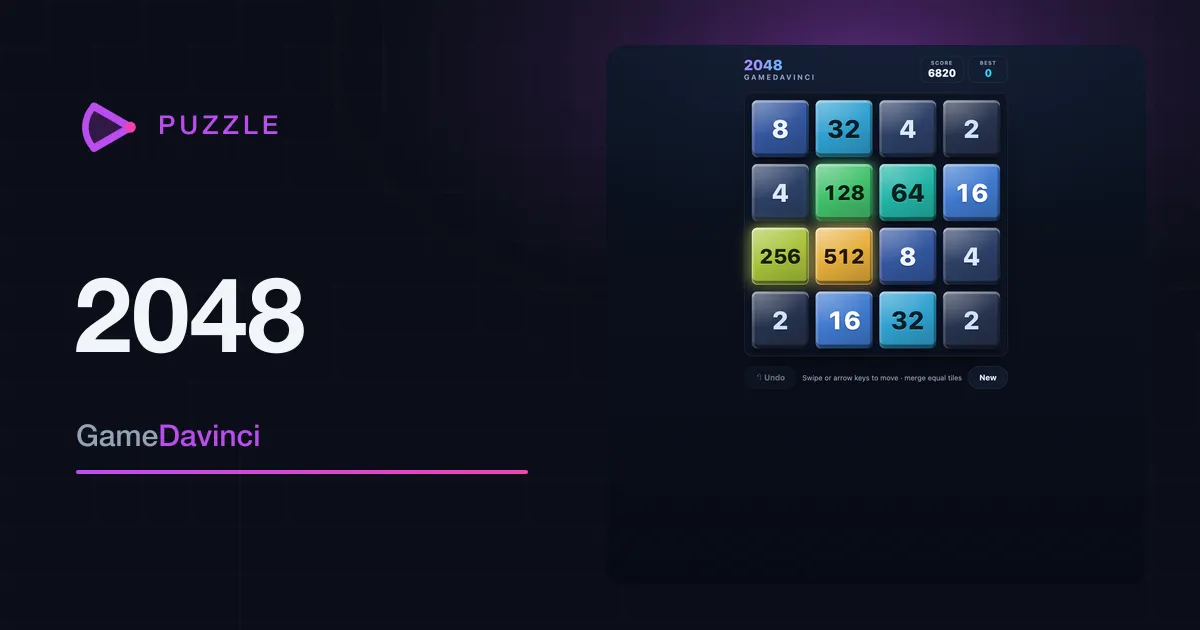
2048
Slide the numbered tiles, merge matching pairs, and chase the elusive 2048 tile — one more move never hurts.
Puzzle -
 Featured
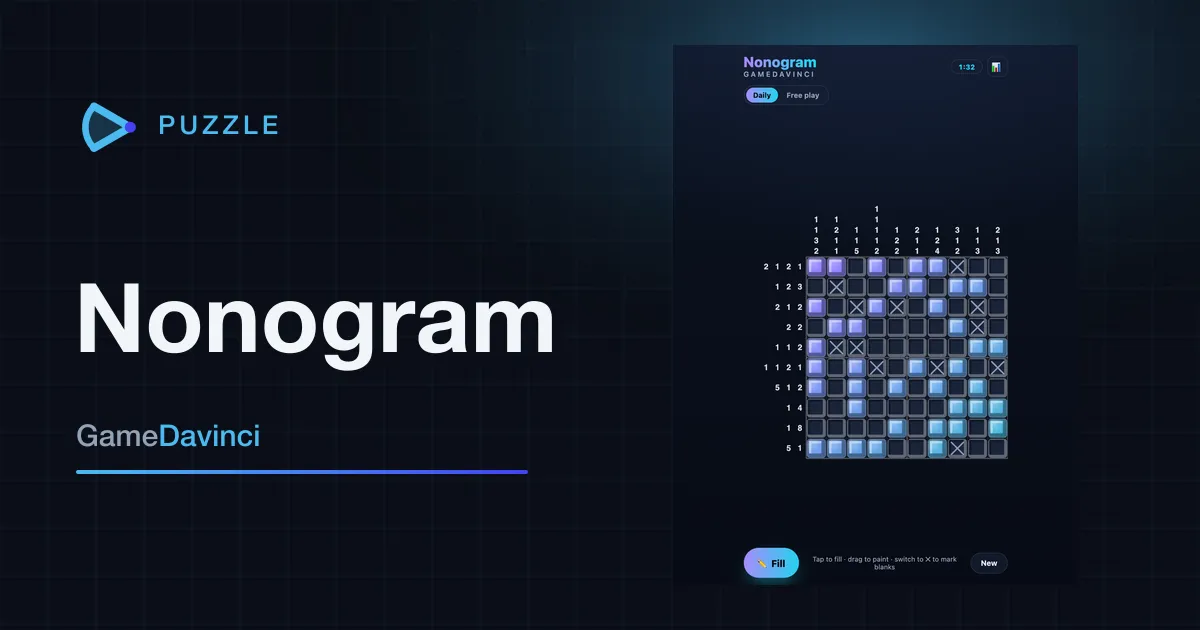
Nonogram
Use the number clues to figure out which squares to fill and reveal the hidden picture — one new puzzle daily.
Puzzle -
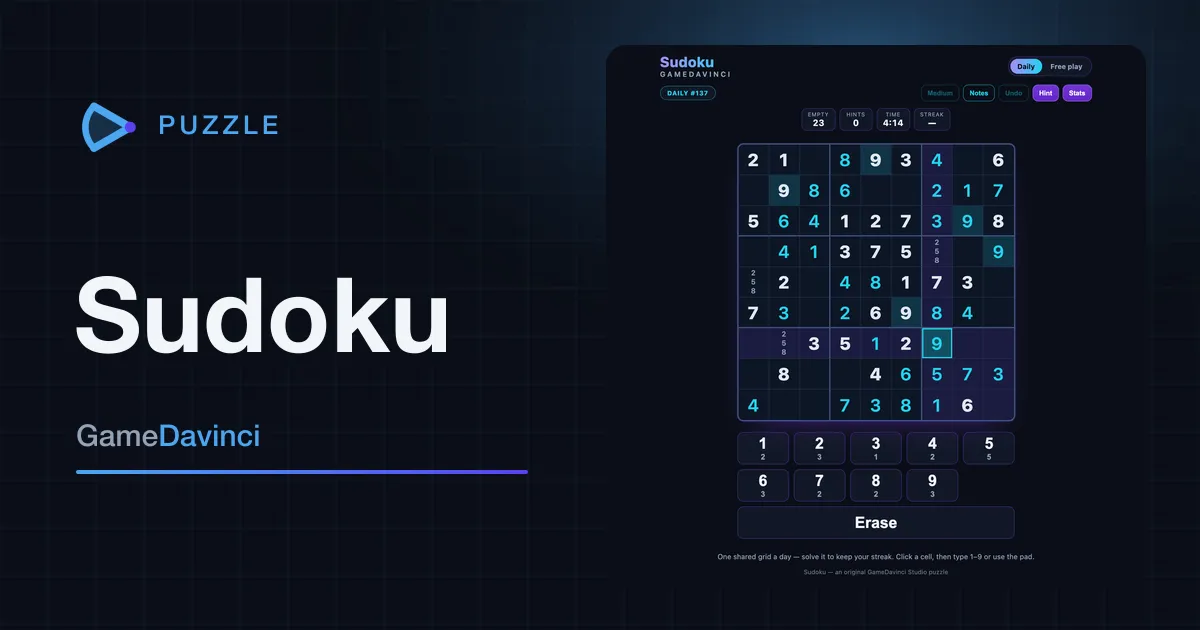
Sudoku
The classic number puzzle, now with a daily challenge — fill the grid so every row, column and box holds one to nine.
Puzzle -
 Featured
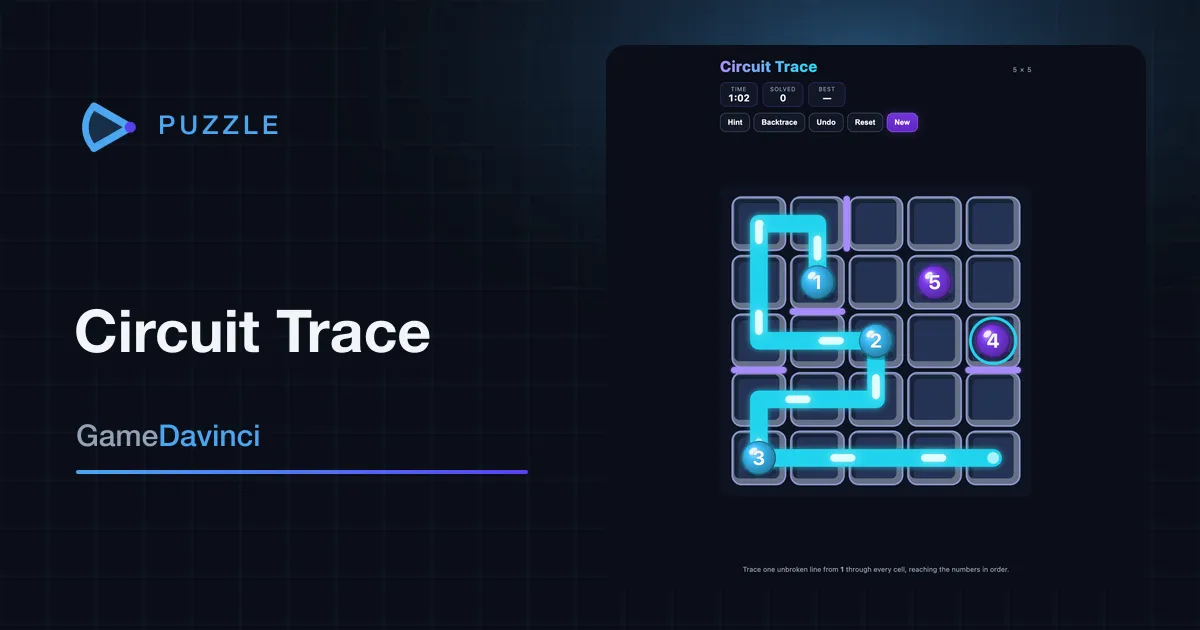
Circuit Trace
Draw one unbroken line that reaches every numbered node in order — and fills every last cell.
Puzzle